
No products in the cart.
Are Peptide Pens Legal in the UK? A Clear Guide
If you’re wondering are peptide pens legal in the UK, the answer depends less on the pen itself and more on what’s inside it and how it’s marketed. In UK law, product classification usually turns on presentation, claims, and intended use rather than the container format.
This guide explains how UK regulators approach peptide products, what affects compliance, and how to stay on the right side of current rules.
Disclaimer: This article is for general information only and not legal advice. Regulations and enforcement may change.
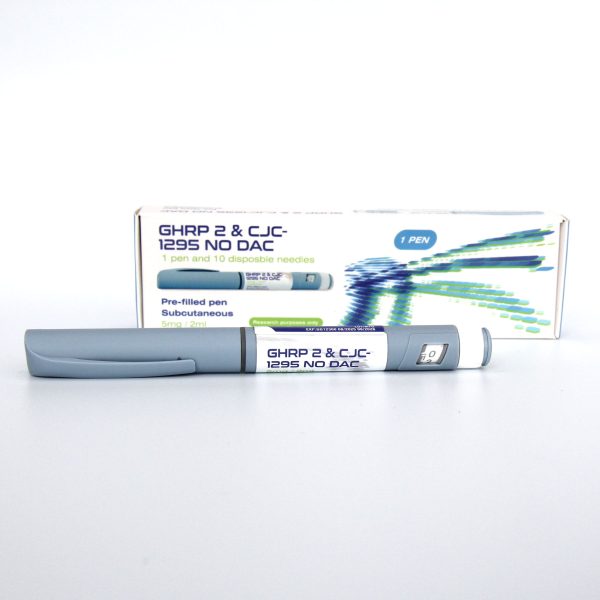
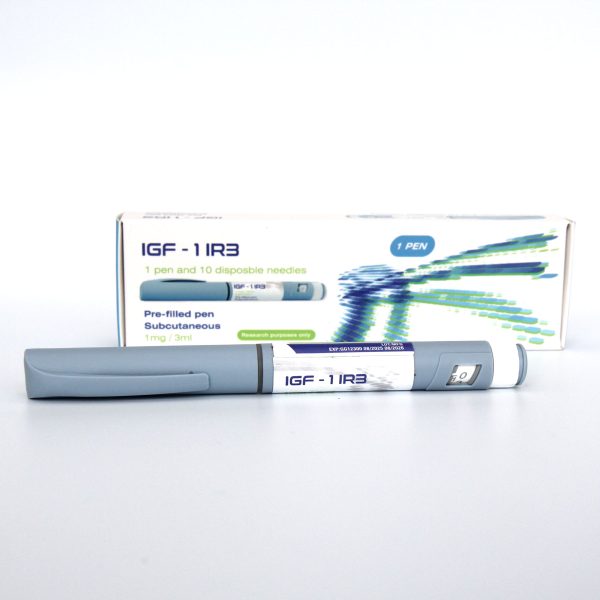
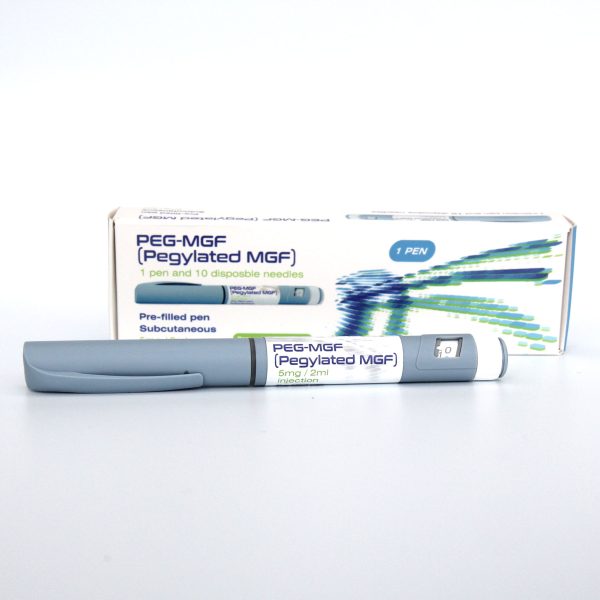
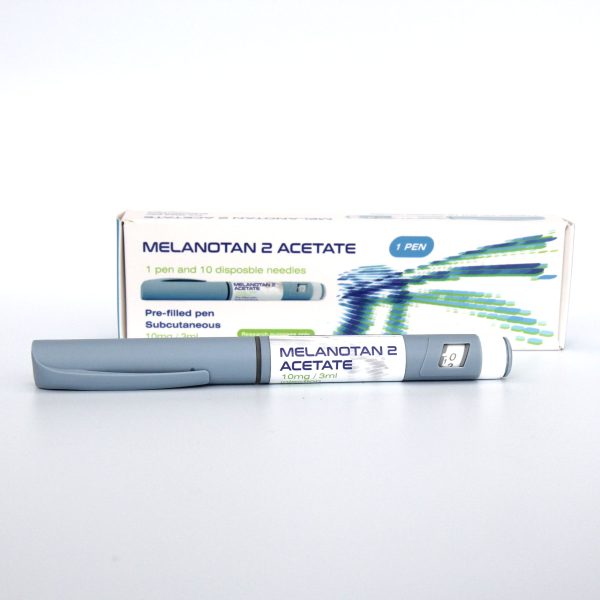
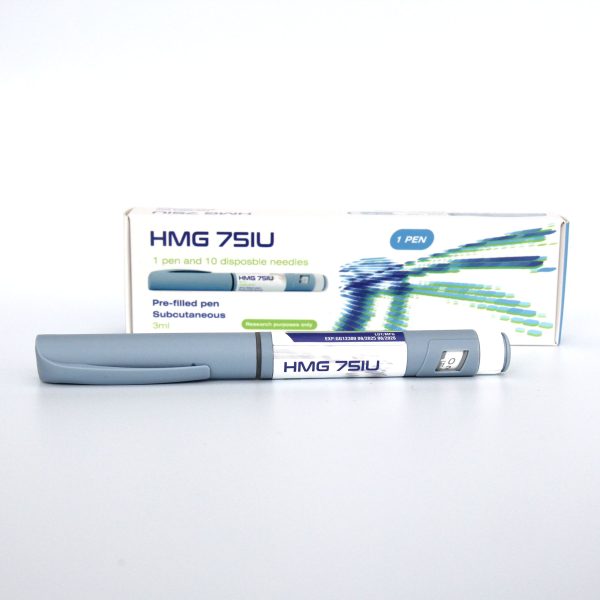
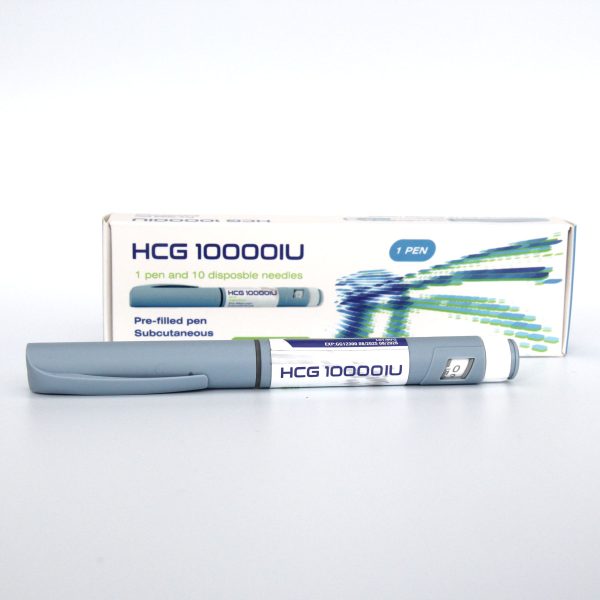
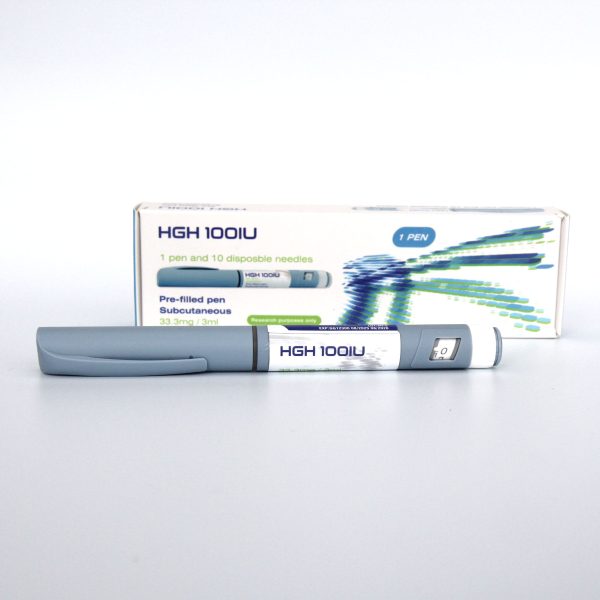
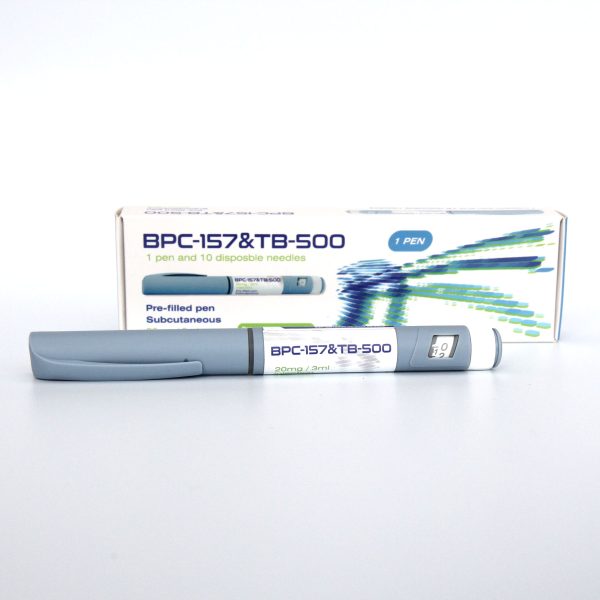
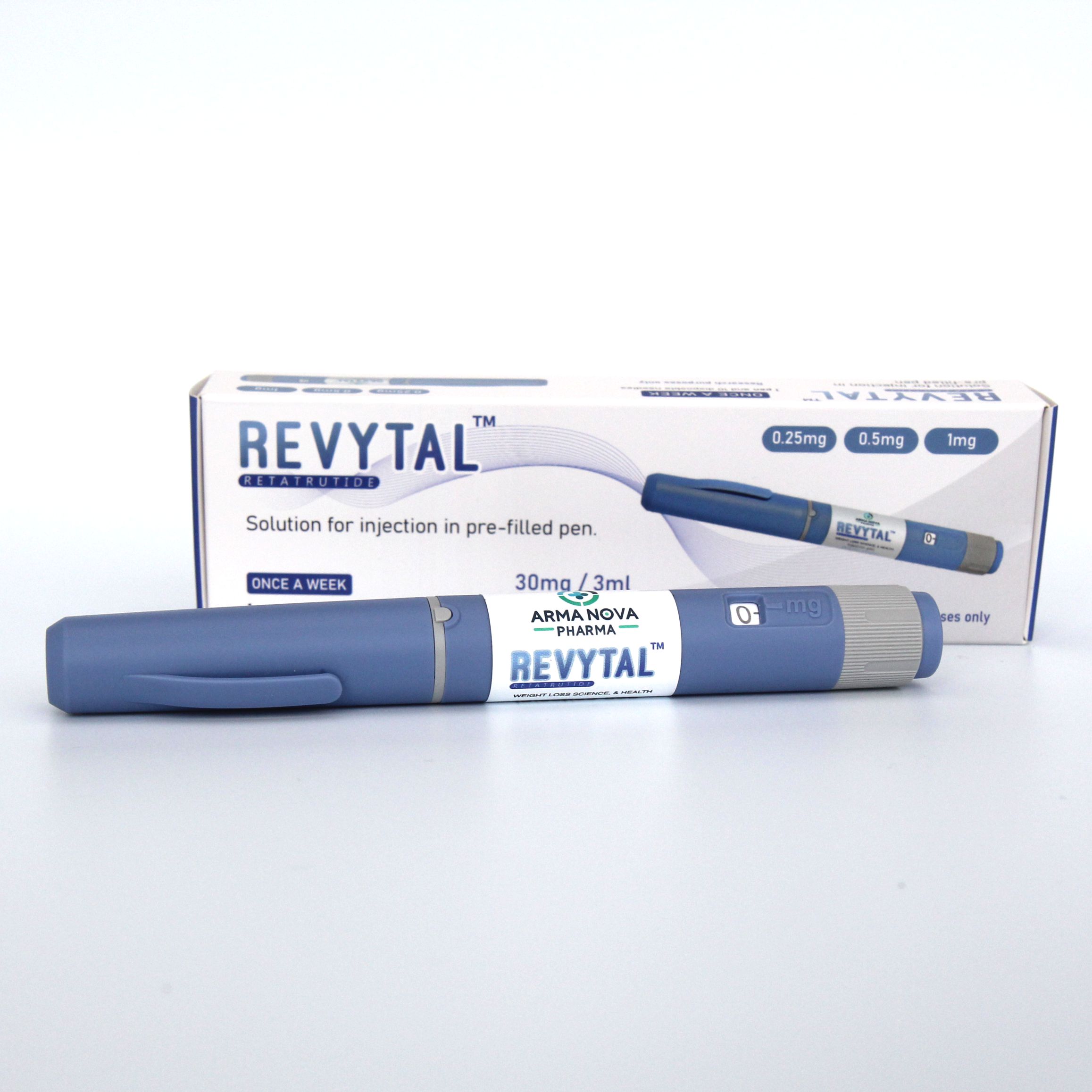
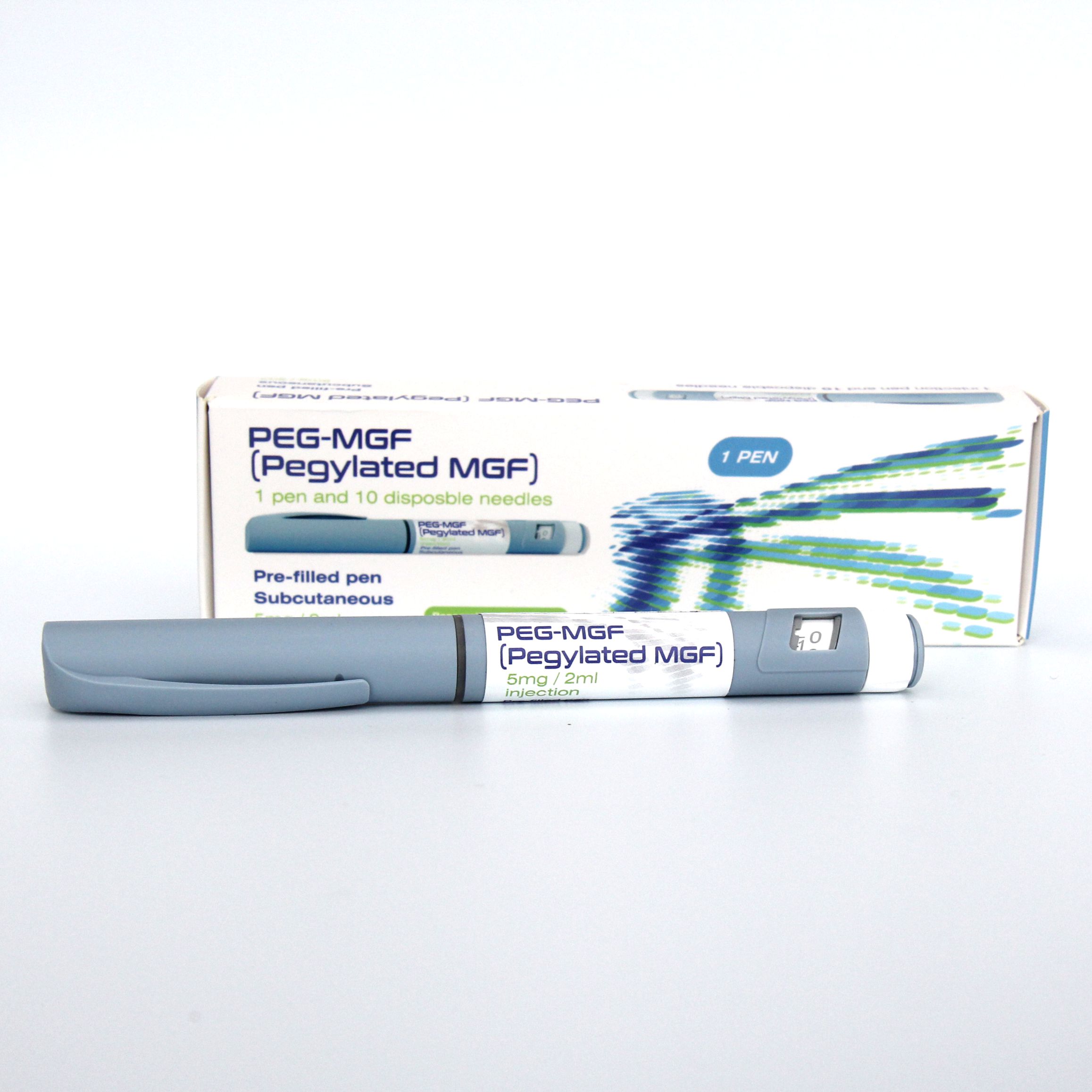
What Is a Peptide Pen?
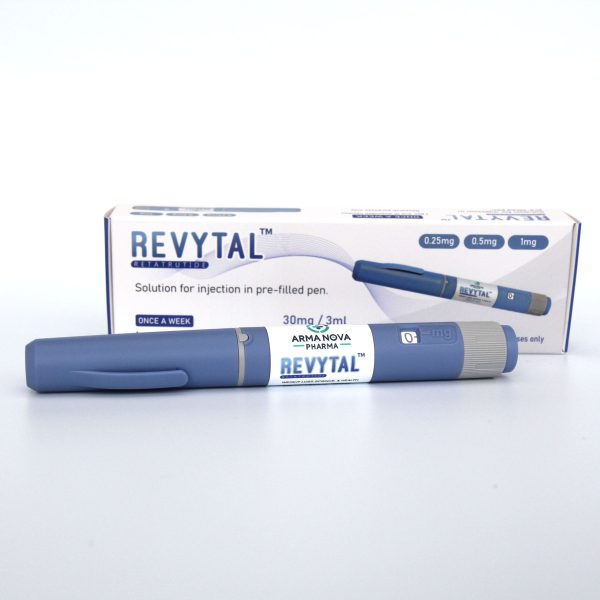
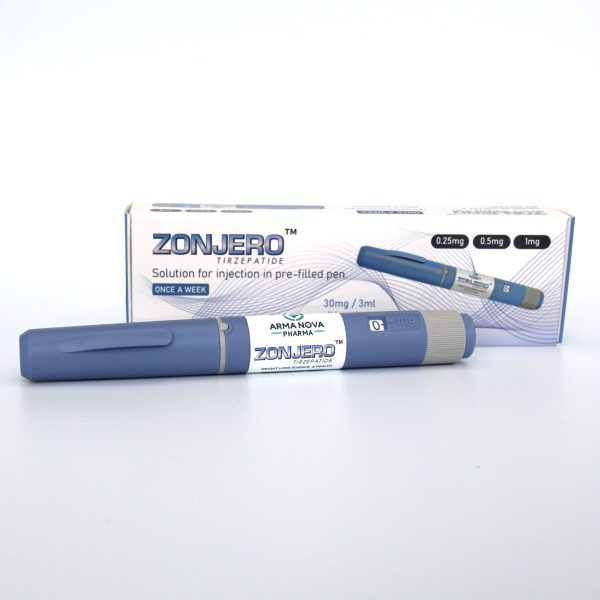
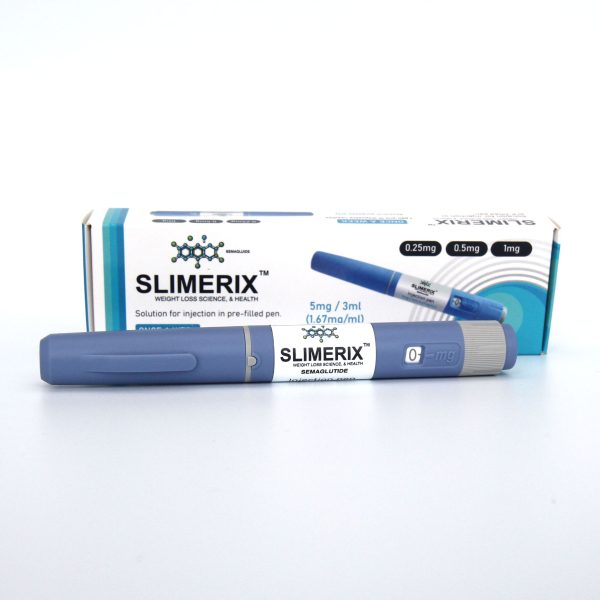
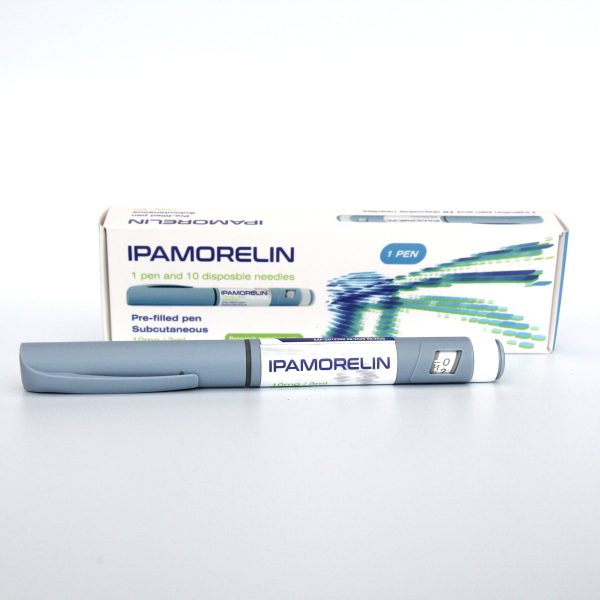
A peptide pen is simply a delivery format — similar to how a bottle or vial is a format. The regulatory focus in the UK is typically on the substance inside the pen and the claims made about it, not the device alone.
This distinction is central when assessing whether peptide pens are legal in the UK under current regulatory frameworks.
How UK Regulators Classify Peptide Products
In the UK, the Medicines and Healthcare products Regulatory Agency (MHRA) evaluates whether a product qualifies as a medicinal product.
The assessment generally considers:
- Presentation – Are medicinal claims made?
- Function – Does the product modify physiological functions in a medical sense?
The Advertising Standards Authority (ASA) also regulates medicinal claims in marketing materials.
Research Use vs Medicinal Presentation
Many peptide products are supplied in a research-only context. The legal risk increases when products are marketed as treating, preventing, or diagnosing disease.
If a peptide pen is presented as a medicine without proper authorisation, it may fall under medicines legislation. If it is clearly positioned for research purposes without medicinal claims, it may be treated differently.
Are Peptide Pens Prescription Only?
Prescription-only status depends on the compound — not the pen format.
Some substances are classified as prescription-only medicines. Others may not be authorised medicines at all. The classification depends entirely on the active ingredient and how it is supplied.
What Makes a Peptide Product Non-Compliant?
Common compliance issues include:
- Explicit claims to treat or cure disease
- Implied medical benefits through testimonials
- Marketing suggesting human therapeutic use without authorisation
- Unclear labelling or intended-use statements
UK authorities consider the overall consumer message — including websites, packaging, and promotions.
Buying Peptide Products in the UK: Practical Tips
If you’re evaluating suppliers, consider:
- Clear intended-use positioning
- Transparent product descriptions
- Responsible marketing practices
- Accurate storage and handling information
Being cautious about claims is more important than the delivery format itself.
Final Summary
So, are peptide pens legal in the UK? In many cases, yes — because the pen itself is simply a container format. Compliance depends on the substance inside and how the product is presented.
UK regulators focus on claims, intended use, and whether a product is positioned as a medicine. Understanding that distinction is key to staying compliant.



Leave a comment