



Hormone Peptides for Men: HCG, HMG & HGH Guide
Hormone Peptides for Men: HCG, HMG, and HGH Explained
Hormone peptides for men are commonly researched in discussions around testosterone support, fertility goals, and recovery. Compounds such as HCG, HMG, and HGH appear frequently in hormone optimization conversations because they interact with different parts of the endocrine system.
This guide explains how these compounds relate to LH, FSH, and testosterone signaling, how they differ from one another, and why accurate dosing and consistency matter in hormone-related discussions.
Understanding Hormone Peptides for Men and the Endocrine Pathway
To understand hormone peptides properly, it helps to understand the signaling chain behind male hormone production.
Testosterone
Testosterone influences libido, muscle maintenance, mood stability, and red blood cell production. According to the
Endocrine Society, testosterone plays a central role in male reproductive health.
LH (Luteinizing Hormone)
LH signals the testes to produce testosterone.
FSH (Follicle Stimulating Hormone)
FSH supports sperm production within the testes.
This LH–FSH–testosterone pathway explains why fertility and testosterone are closely connected.
HCG, HMG, and HGH: How They Differ
Although often grouped together in online discussions, these compounds function differently.
HCG (Human Chorionic Gonadotropin)
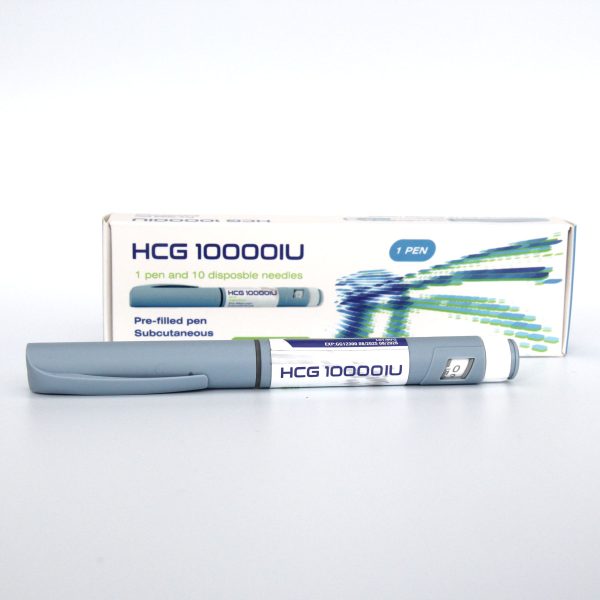
HCG is commonly described as mimicking LH activity in the body. Because LH stimulates testosterone production, HCG frequently appears in testosterone-related and fertility-related searches.
More general reproductive health information can also be found through the
NHS fertility overview.
Related product:
HCG 10000 IU
HMG (Human Menopausal Gonadotropin)
HMG is typically described as containing both FSH-like and LH-like activity. This is why it appears more frequently in fertility-focused discussions, particularly those centered on sperm production.
Related product:
HMG 75 IU
HGH (Human Growth Hormone)
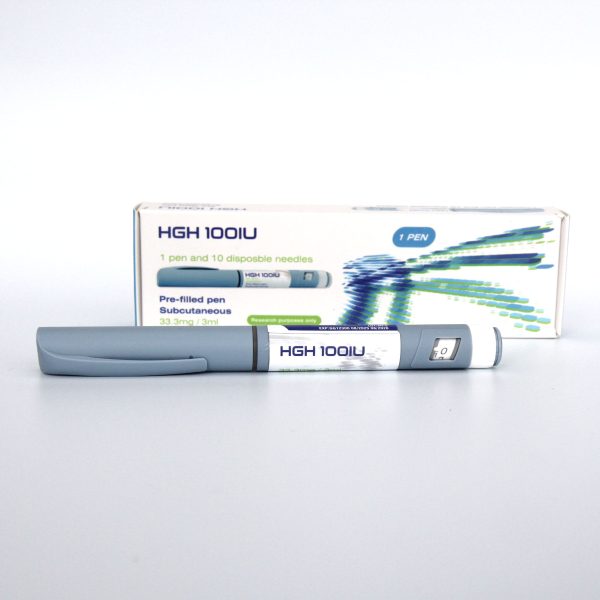
HGH works through growth and tissue repair pathways rather than directly through LH or FSH signaling. It is more commonly discussed in recovery, sleep, and body composition conversations.
Related product:
HGH 100 IU
Hormone Peptides for Men and Fertility Discussions
Many searches around hormone peptides fall into two categories:
- Testosterone support discussions
- Fertility maintenance discussions
TRT and Fertility
Testosterone replacement therapy (TRT) is often discussed in relation to fertility because external testosterone may influence natural LH and FSH signaling.
HCG in TRT Conversations
HCG is commonly mentioned in fertility-maintenance discussions because of its LH-like signaling role.
HMG in Fertility-Focused Research
HMG tends to appear when sperm production and FSH signaling are the main research focus.
Why Measurement and Consistency Matter
Hormone-related compounds are often discussed in the context of precision and consistency. Because these pathways are sensitive, accurate measurement is a recurring theme in educational discussions.
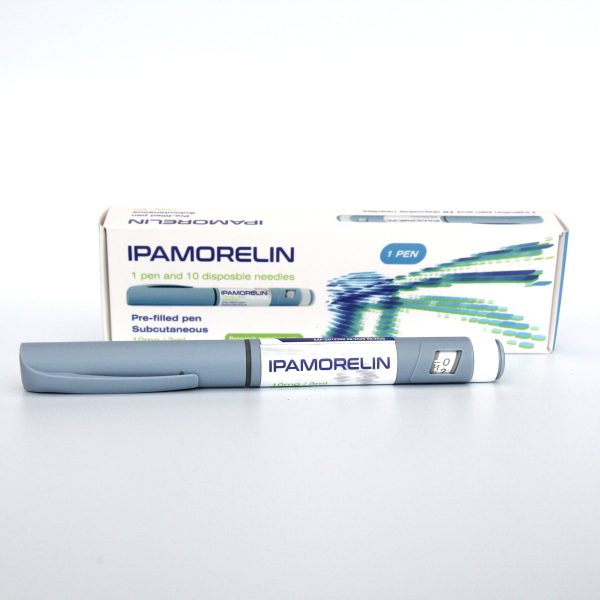
Some individuals explore structured delivery formats such as peptide pens because consistency and repeatability can matter in longer-term hormone-related routines.
FAQ: Hormone Peptides for Men
Does HCG increase testosterone?
HCG is often described as LH-like, which is why it appears in testosterone-related searches.
Is HMG only used for fertility?
HMG is most strongly associated with fertility discussions due to its FSH-related activity.
Does HGH increase testosterone?
HGH is generally described as acting through growth and recovery pathways rather than directly increasing testosterone.
What hormones control sperm production?
FSH and LH are the two primary hormones associated with sperm production and testosterone signaling.
Conclusion
Hormone peptides for men are most commonly researched for two primary goals: testosterone support and fertility discussions. Understanding how LH, FSH, and HGH pathways differ helps clarify why HCG, HMG, and HGH are frequently mentioned in these contexts.
Explore related products:
Disclaimer: This content is for educational purposes only and is not medical advice. Consult a qualified healthcare professional for medical guidance.
Leave a comment