











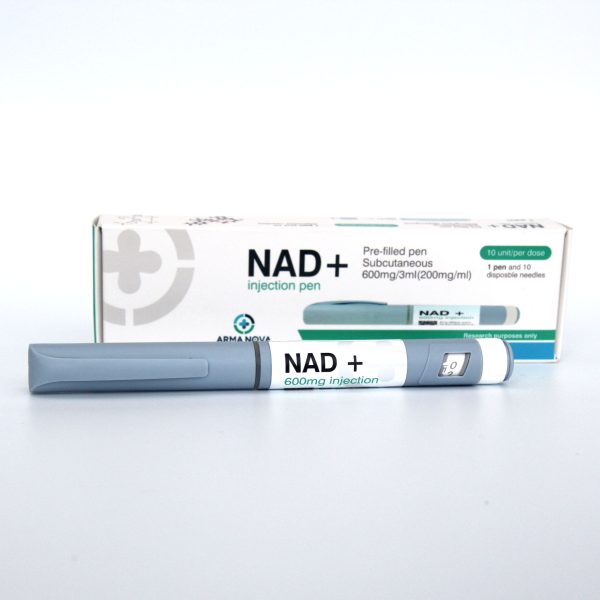




Weight Loss Peptides UK: Research Guide
Weight loss peptides UK is a fast-growing search term as interest increases around targeted metabolic research.
In research discussions, weight loss peptides UK usually refers to peptides studied for their relationship to appetite signalling, metabolic balance, and energy regulation pathways.
This guide explains how weight loss peptides UK are described in scientific contexts, what categories exist, and what UK readers should understand about regulation and quality.
Note: This content is for informational and research education purposes only. It is not medical advice.
What Are Weight Loss Peptides UK Researchers Discuss?
The phrase weight loss peptides UK generally refers to peptides discussed in relation to:
- Appetite and satiety signalling
- Metabolic regulation pathways
- Energy expenditure signalling
- Lipolysis and fat mobilisation themes
At a biological level, peptides act as signalling molecules that bind to receptors and trigger downstream cellular responses.
For foundational reading on metabolic signalling pathways, you can explore resources from the
National Center for Biotechnology Information (NCBI).
How Weight Loss Peptides UK Pathways Are Explained
When researchers describe how weight loss peptides UK function, they usually focus on signalling mechanisms rather than outcomes.
Common research themes include:
- Appetite signalling – pathways related to hunger/fullness cues
- Metabolic regulation – pathways influencing energy balance
- Fat mobilisation signalling – how stored energy may be accessed in experimental models
- Thermogenic signalling – research into energy expenditure mechanisms
These topic clusters align closely with UK search intent around metabolic peptides and appetite peptides.
Weight Loss Peptides UK vs Regulated Medicines
UK searches for weight loss peptides UK often overlap with regulated prescription medicines.
It is important to distinguish between research materials and licensed medicinal products.
Prescription medicines in the UK are regulated by the
Medicines and Healthcare products Regulatory Agency (MHRA).
Regulatory classification depends on how a product is presented, marketed, and intended to be used.
This article does not provide medical advice or recommend any regulated treatment.
Are Weight Loss Peptides Legal in the UK?
A common high-intent query is whether weight loss peptides UK are legal.
Legality depends on:
- Product classification
- Intended use
- Marketing claims
- Regulatory interpretation
For official UK regulatory guidance, consult
UK Legislation
and MHRA publications.
How to Evaluate Weight Loss Peptides UK Suppliers
People searching weight loss peptides UK are often also evaluating supplier credibility.
From a research reliability standpoint, key factors typically include:
- Purity testing references (e.g., HPLC)
- Identity verification (e.g., mass spectrometry)
- Clear research-use positioning
- Transparent storage guidance
Analytical methods such as HPLC are explained in more detail by the
Royal Society of Chemistry (RSC).
Browse our research category here:
Weight Loss Peptides (UK).
How to Store Weight Loss Peptides UK Products
Another common search cluster includes peptide storage and peptide stability.
Proper storage helps preserve stability in research environments.
- Keep away from heat, moisture, and direct light
- Avoid repeated freeze–thaw cycles
- Follow lyophilised vs reconstituted guidance
- Use clean handling practices
Explore the full product catalogue:
PeptidPen Shop.
Related Research Categories
Summary: Weight Loss Peptides UK Explained
Weight loss peptides UK is primarily a research-oriented search term related to metabolic and appetite signalling pathways.
Understanding how peptides are classified, regulated, tested, and stored helps UK readers evaluate information more critically.
- Peptides function as signalling molecules
- UK regulation depends on classification and claims
- Purity and testing influence research reliability
- Clear labelling and positioning are essential





Leave a comment